At the end of June this year, 2026, the amazing Debra Jager handed over the running of Whakamārama Pest Trap Library, which she set up in 2019, to Friends of the Blade. We’re honoured to take on the role, which complements our own work so well, and hope we live up to the example Deb has set for the past few years. Thanks for all your work Debra.
Whakamārama Pest Trap Library: The Origin Story
Whakamārama resident Debra Jager and her husband, Lain, were just finishing a walk in the bush at Puketoki one weekend morning in 2019 when they encountered a small group of locals from Whakamārama Community Inc. and Pirirākau hapū discussing trapping. Lain had recently stepped down as CEO of Zespri, so the group seized the opportunity to ask him if he had any thoughts about how to get lifestylers, orchardists and farmers to trap more regularly and consistently, since all the great mahi being done by predator control groups in the Kaimai bush was being undermined by predators coming in from the boundaries.
Meanwhile, Debra recalled hearing an interview on Radio NZ that week with a woman who had set up a Pest Trap Library — the first and only one back then — on the Banks Peninsula, which used a horse float to carry traps around the peninsula. Deb mentioned this as an idea to Friends of the Blade founder, Colin Hewens, and next thing you know, she had taken on the job of setting up a library for the Whakamārama community.
As such projects usually do, this one ended up being quite a lot of work. Predator Free Bay of Plenty (PFBOP) answered crucial questions about trapping early on, and Colin helped guide that first funding application. The rest Debra did by herself. Working under the umbrella of WCI, she tackled every aspect of the library’s development: securing money, sourcing traps, branding, marketing, creating systems, and managing logistics.

What It’s Built
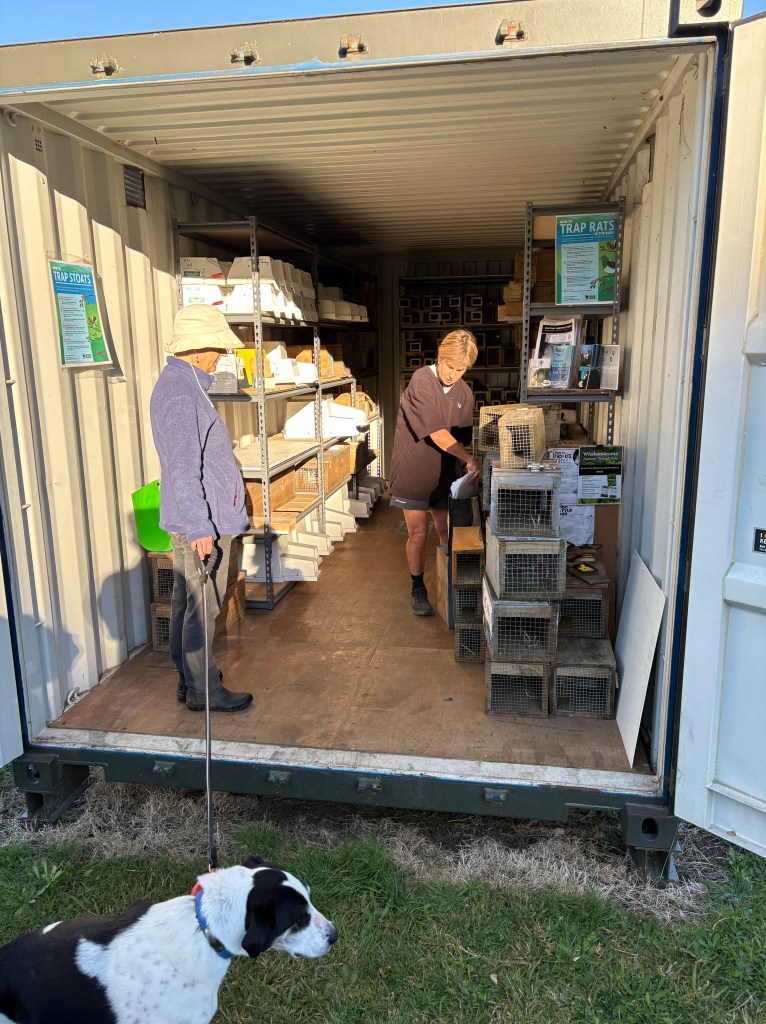
Since its launch in 2019, the Pest Trap Library has grown to become a cornerstone resource for the community. Today it holds approximately:
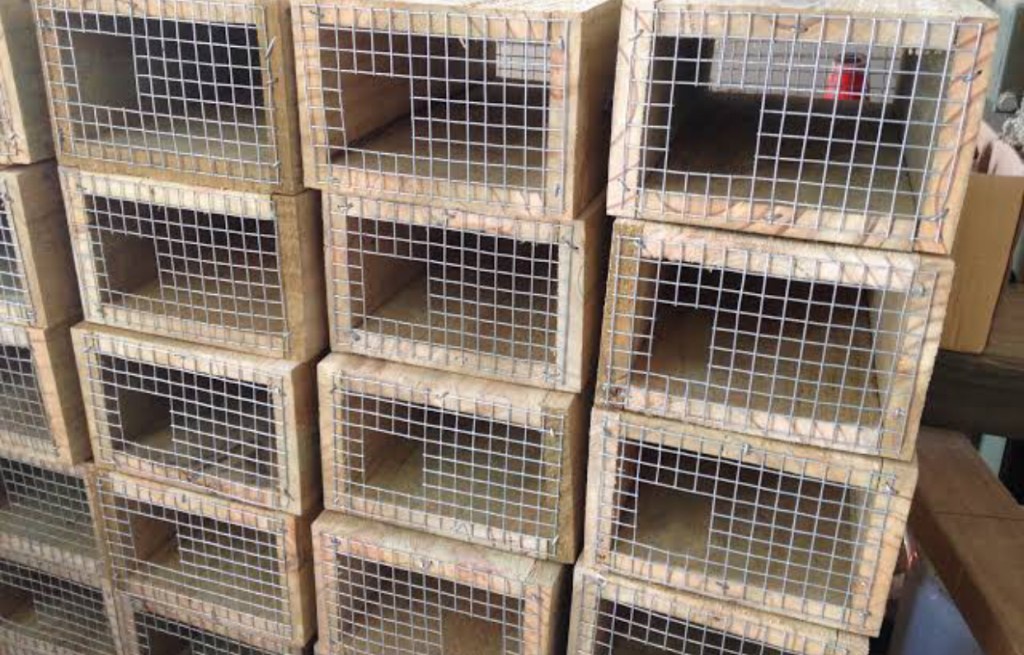
- 500 rat traps
- 60 stoat traps
- 50 possum traps
- 25 cat traps
- Plus spare equipment
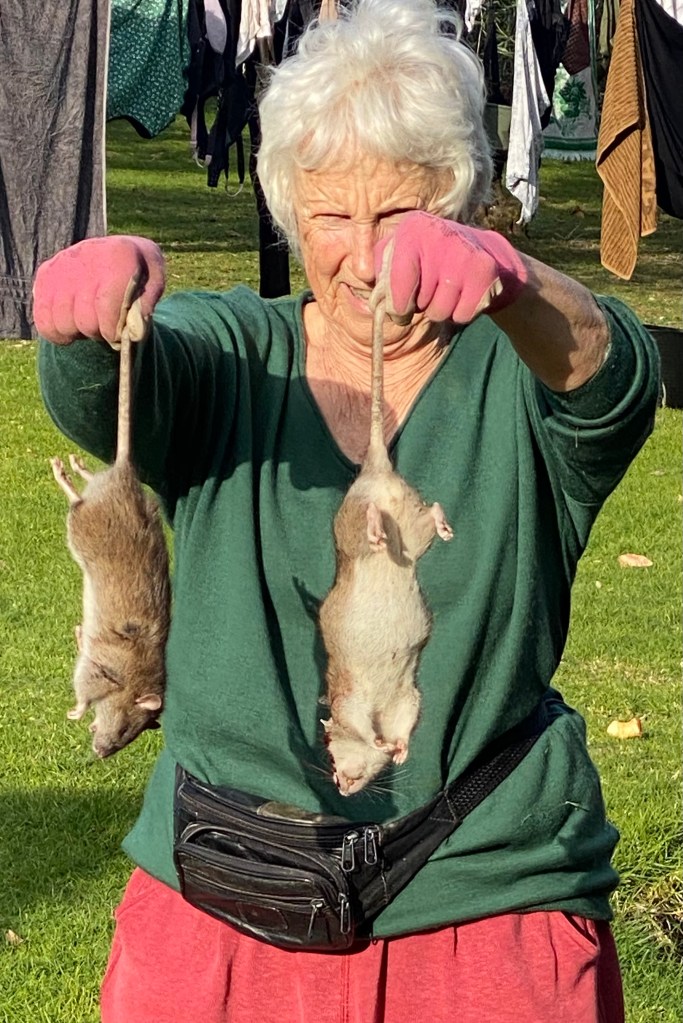
The library operates on a community-based model, allowing landowners to borrow traps and help control predator populations more effectively and consistently. The results speak for themselves: 92 registered active users, with 434 traps out on loan and between 500-700 predators logged as killed annually. (Debra estimates this represents only about a third of actual kills, as many trappers haven’t yet logged their results.)
For years, Debra ran everything manually: monthly info letters in local papers, phone calls to follow up with trappers, spreadsheet management, and trap tracking. It was sustainable for a while, but as the operation grew—there are now five Pest Trap Libraries across Tauranga and Western Bay of Plenty—maintaining this level of hands-on management became challenging, especially when Debra took on other community roles.
The turning point came with recent technological improvements. PFBOP has now developed a proper database system with an integrated app. This allows trappers to log kills more easily, provides automatic email reminders, and gives the library team real-time visibility into which traps are in use, which are in maintenance, and which are available. It’s an upgrade Debra had advocated for extensively—and it’s already making a measurable difference in engagement.
The Bigger Picture
What started as one woman’s response to a community need has evolved into a replicable model. Debra helped establish the first three additional Pest Trap Libraries in the region; PFBOP now takes the lead on new setups. The service has proven so effective that it’s expanding beyond Whakamārama.
The Pest Trap Library demonstrates something important: effective predator control depends on consistent action across entire landscapes. By removing barriers to participation and making trapping accessible to busy landowners, the library helps ensure that conservation efforts aren’t undermined by unchecked predator populations at the boundaries.
The Whakamārama Pest Trap Library is now operated by Friends of the Blade under Whakamārama Community Incorporated, with support from Predator Free Bay of Plenty. It is open on the last Sunday of every month, from 3:30-4:30 p.m. in winter and 4:30-5:30 p.m. in summer, and is located at Whakamārama Hall, 469 Whakamārama Road. Contact whakapesttraps@protonmail.com for more information, or stop by when the library is open.
 Friends of the Blade