Photo Gallery

Enjoy this collection of images captured by our volunteers in our 300 ha trapping zone.

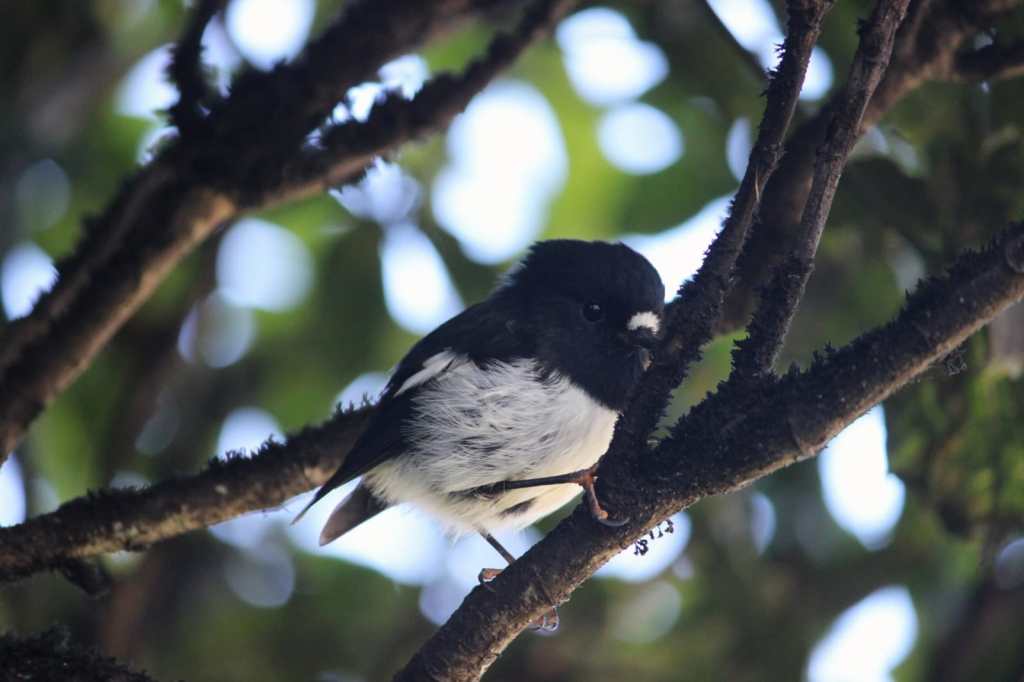
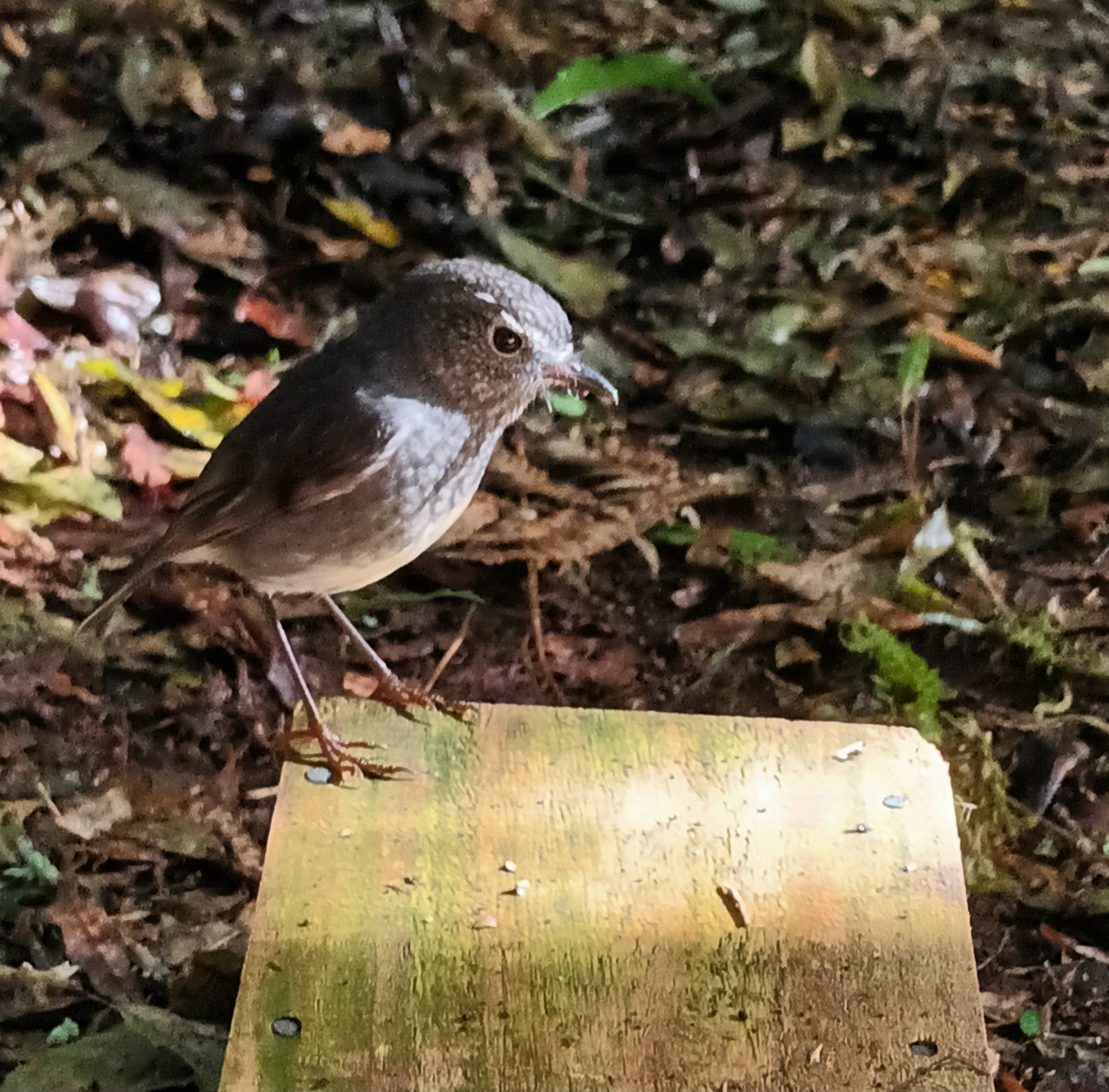
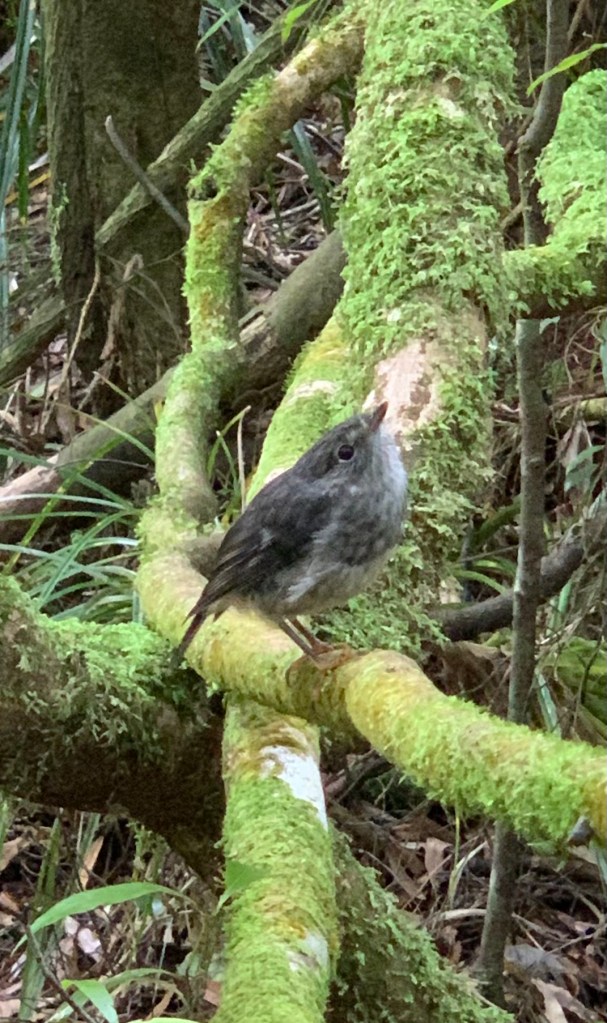
Hōmiromiro | Tomtit. Credit: Mia McCauley
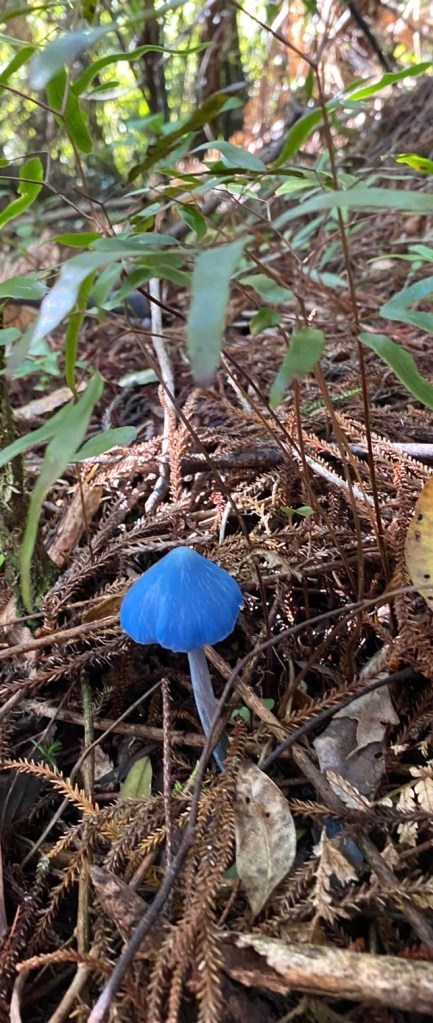
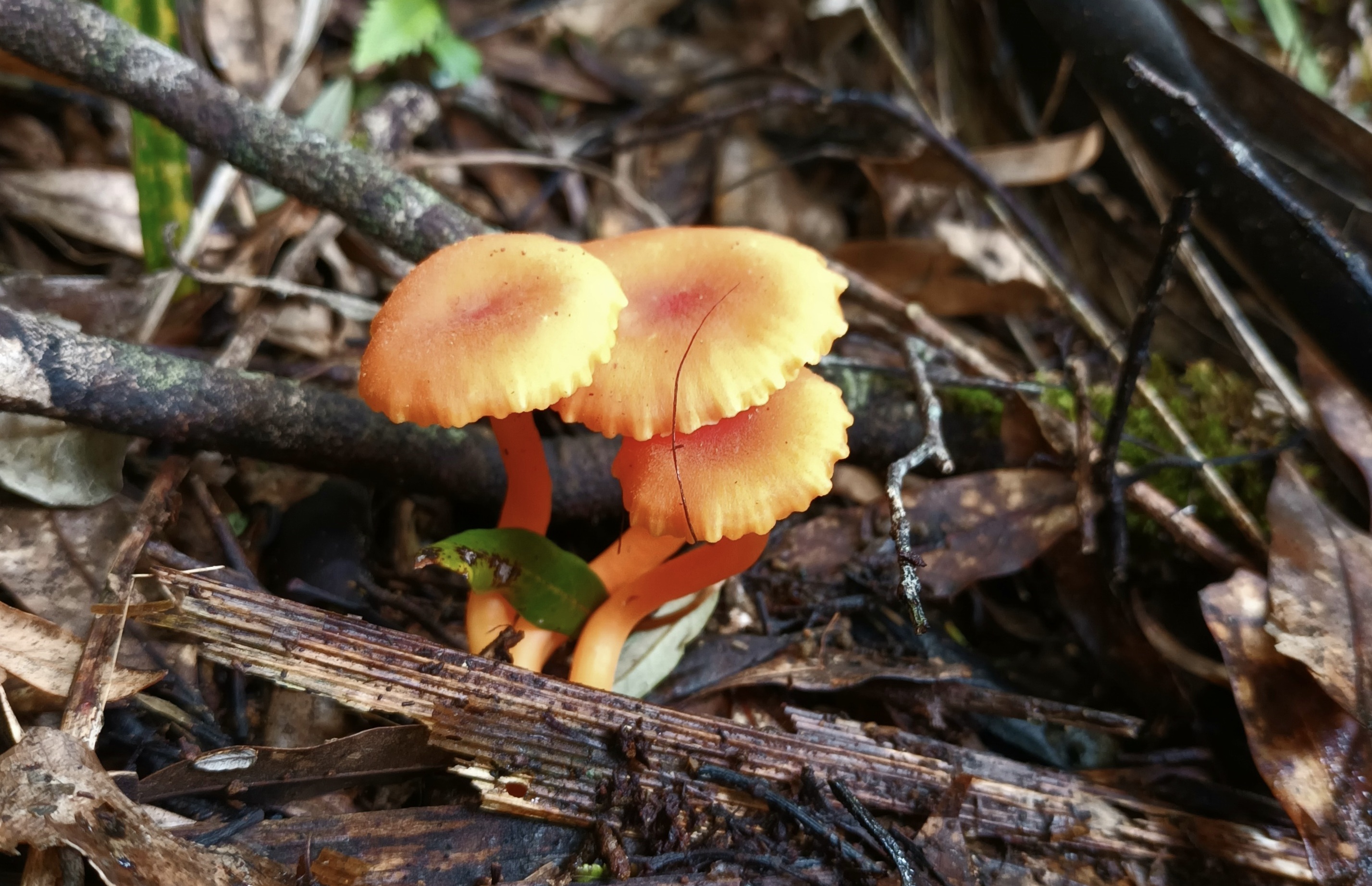
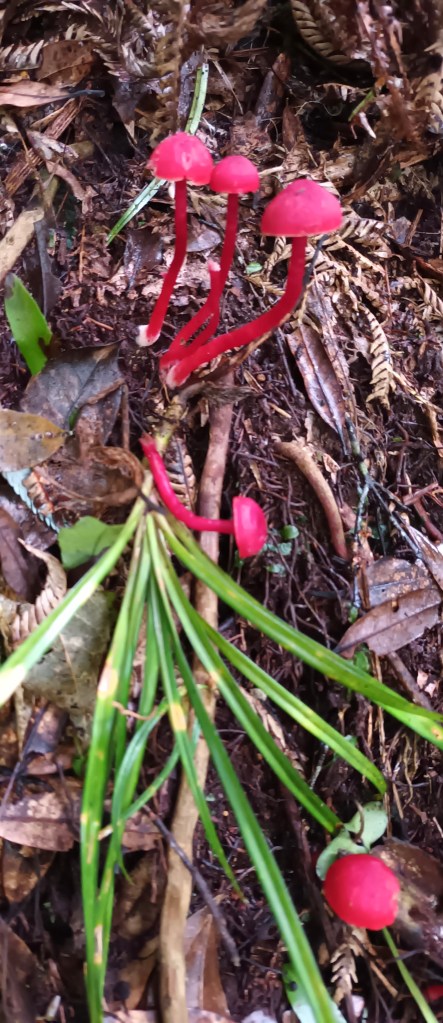
Blue Pinkgill, or werewere-kōkako, a native mushroom, and according to Wikipedia, the only mushroom in the world that features on a banknote, appearing on the NZ $50 alongside their namesake the kōkako. Credit: Steve Nicholson
Credit: Steve Nicholson
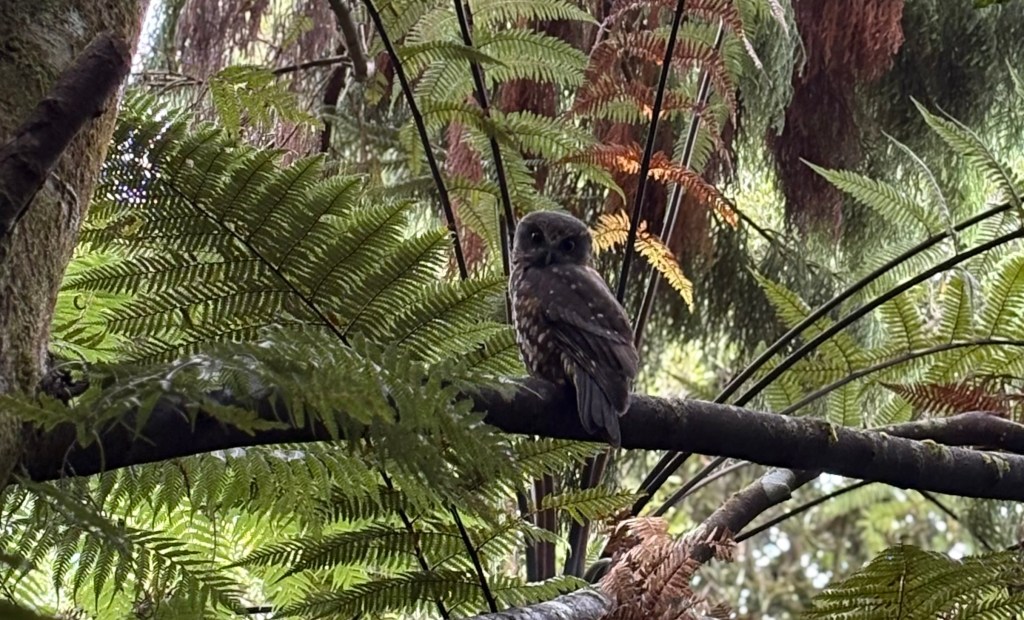
Ruru. Credit: Alison McCulloch
Blue Pinkgill, or werewere-kōkako. Credit Santiago Bermeo.
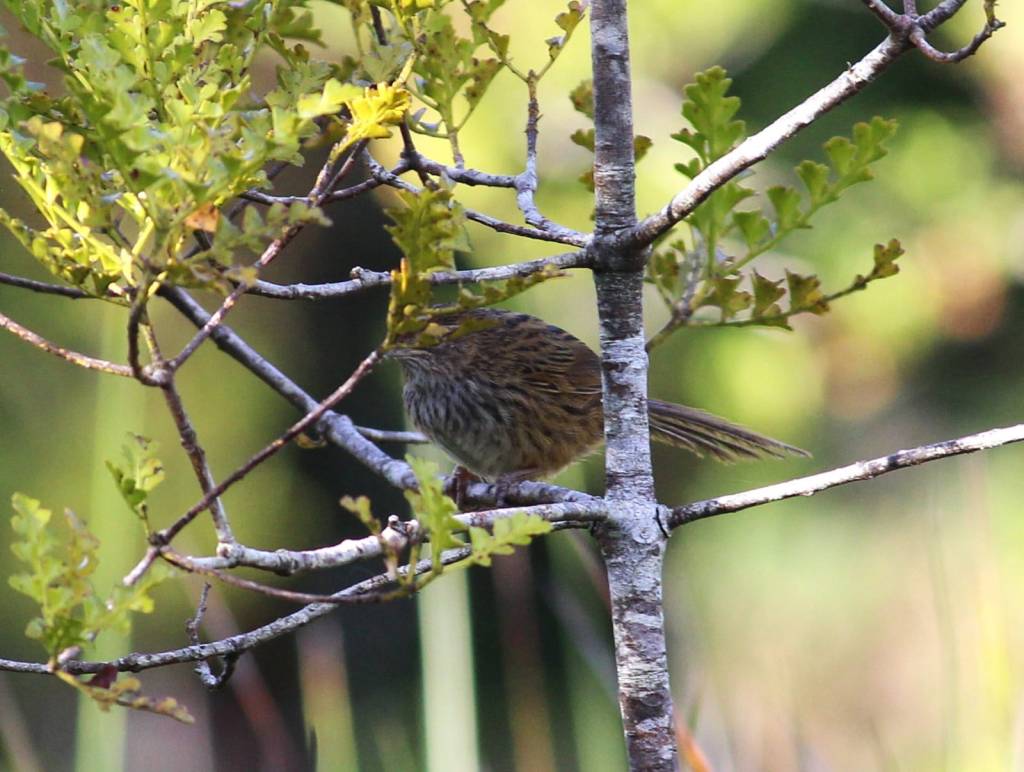
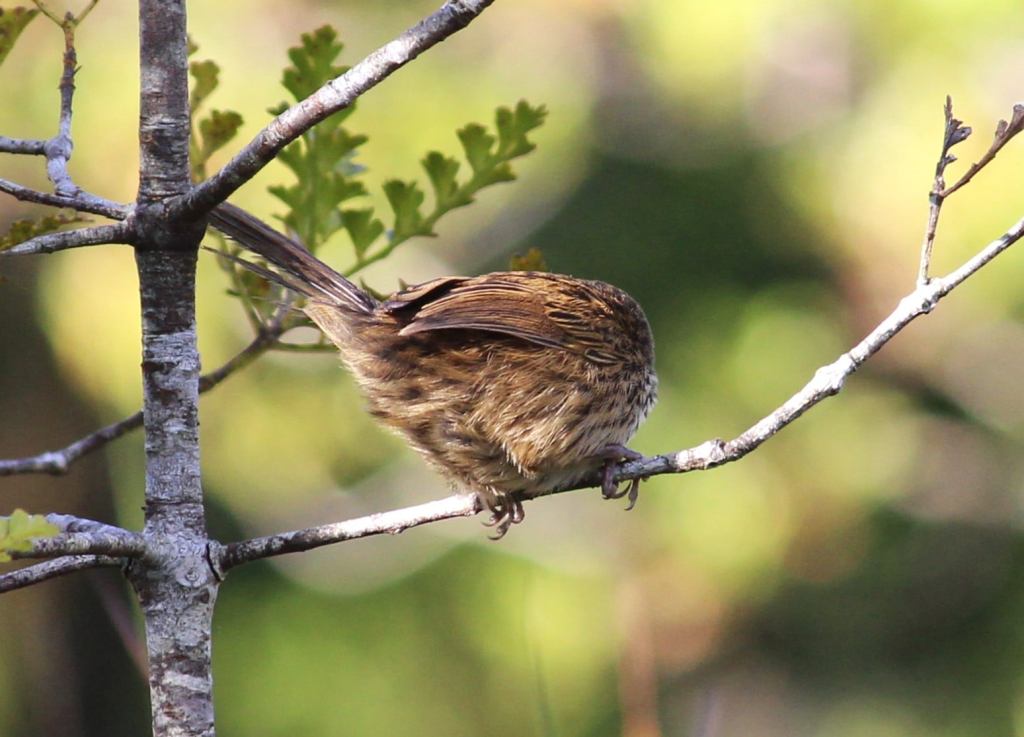
Mātātā / Fernbird (above and right). These birds are so shy and hard to photograph. Thank you Mia McCauley.
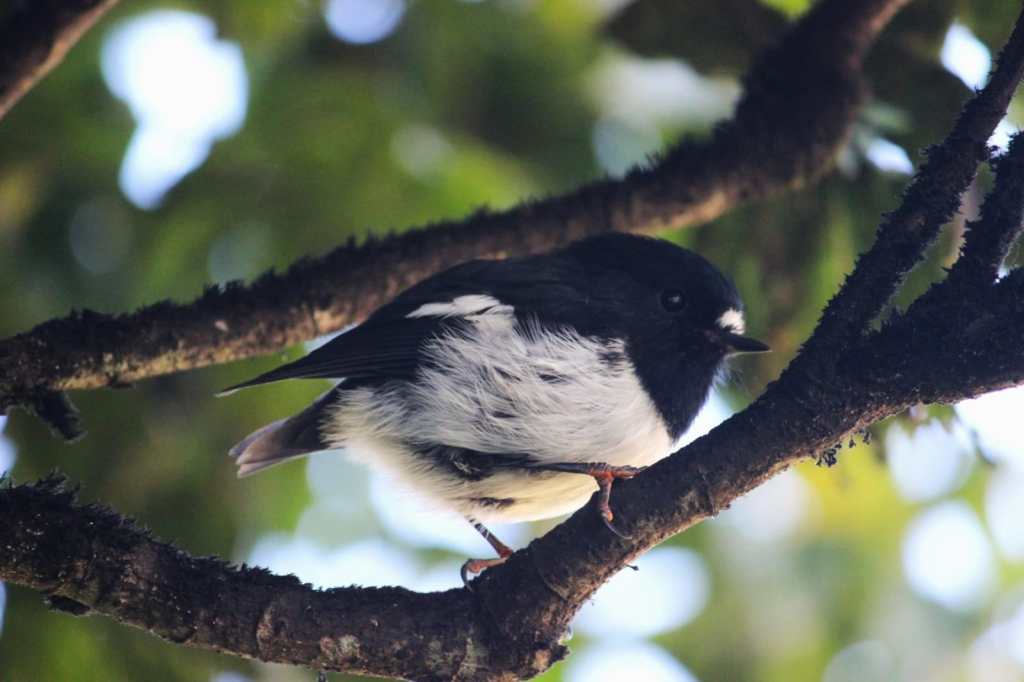
Credit: Steve Nicholson
Hōmiromiro / Tomtit. Credit: Mia McCauley
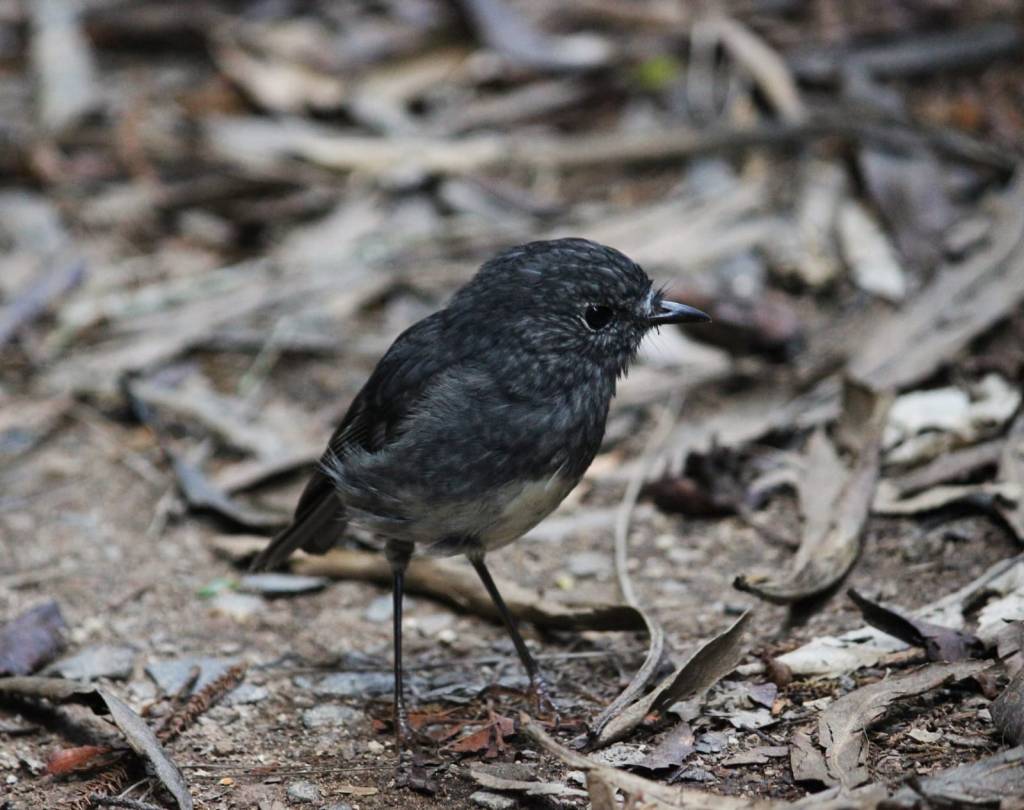
toutouwai/NI Robin. Credit Mia McCauley
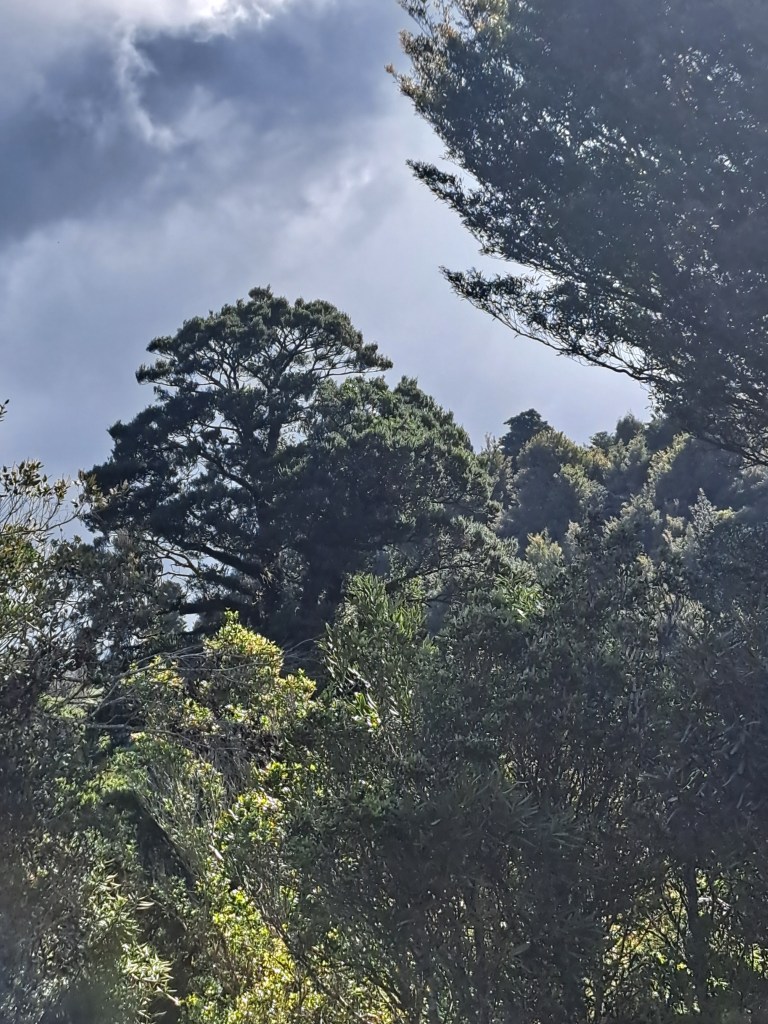
Stately miro trees provide the nourishing red berries that are a staple food of kererū, the NZ pigeon. Credit: Ross Petersen
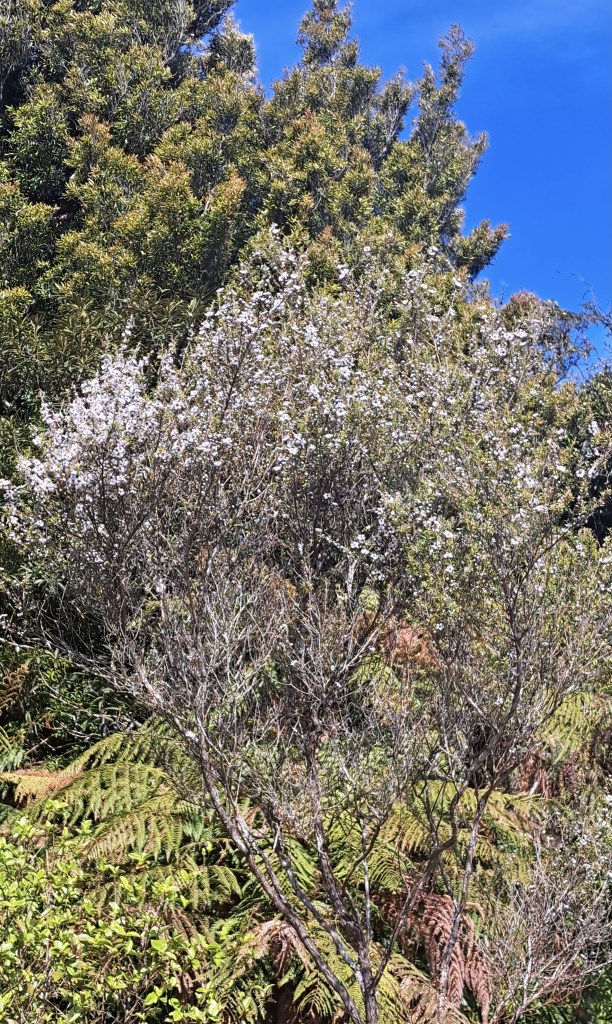
Manuka is in full flower for a short time in late spring and is a magnet for our native bees. Credit: Ross Petersen
Credit: Noelene Taylor
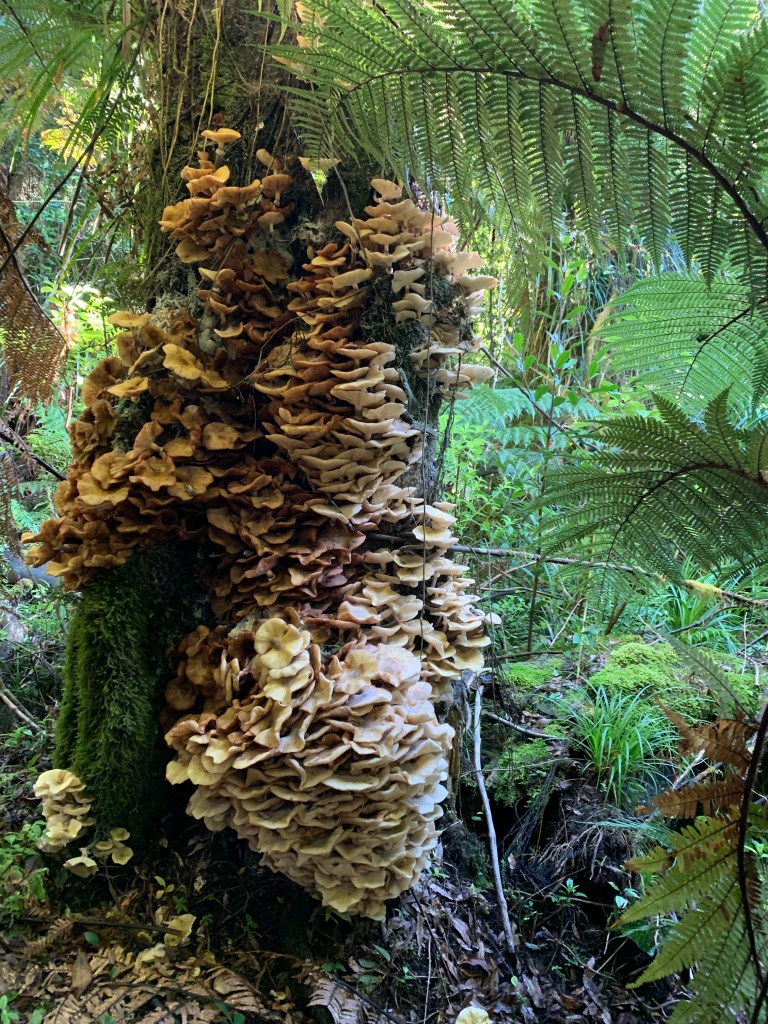
Believed to be Armillaria limonea, a native New Zealand mushroom, or harore. Credit: Alison McCulloch
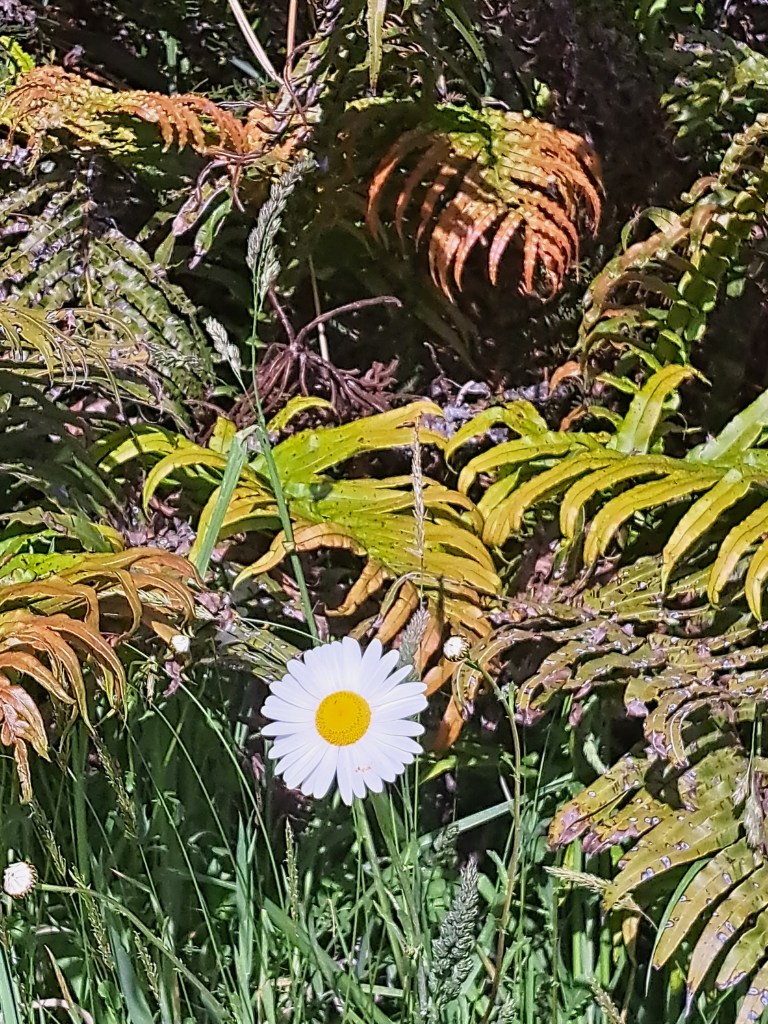
A cheerful daisy pops up to greet the sun from a thicket of colourful piopio palmleaf fern. Credit Ross Petersen
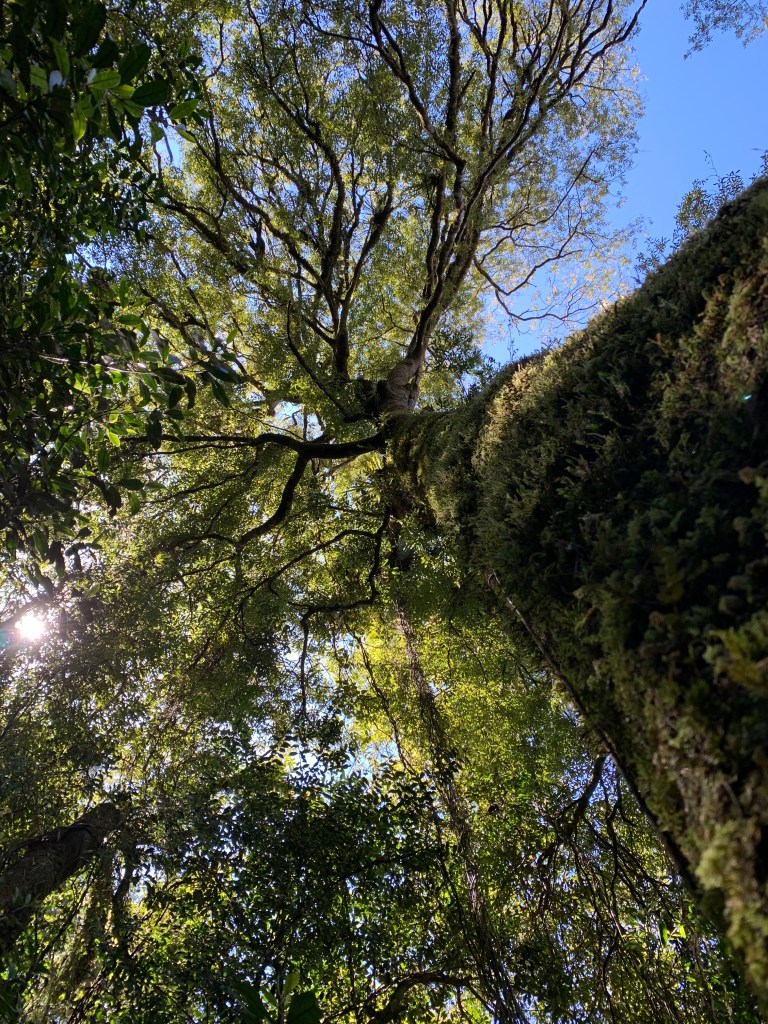
Probably a tawa. Credit: Alison McCulloch
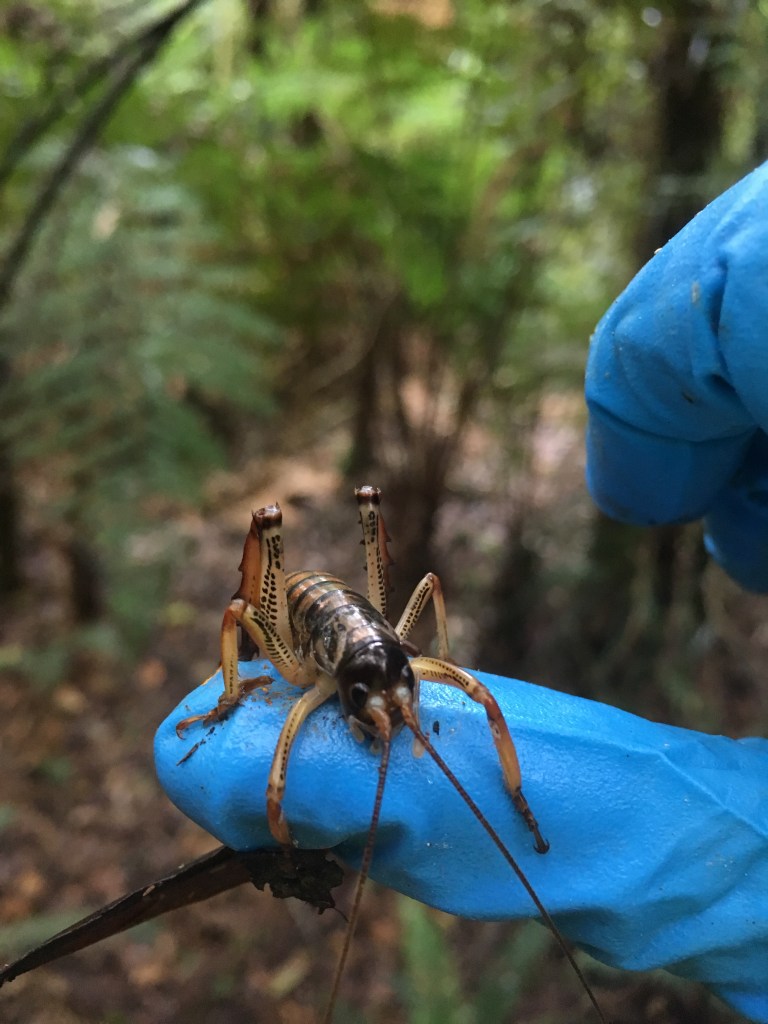
Wētā. This one was found inside a rat trap, caught next to a dead rat, but rescued, apparently unharmed. Credit: Alison McCulloch
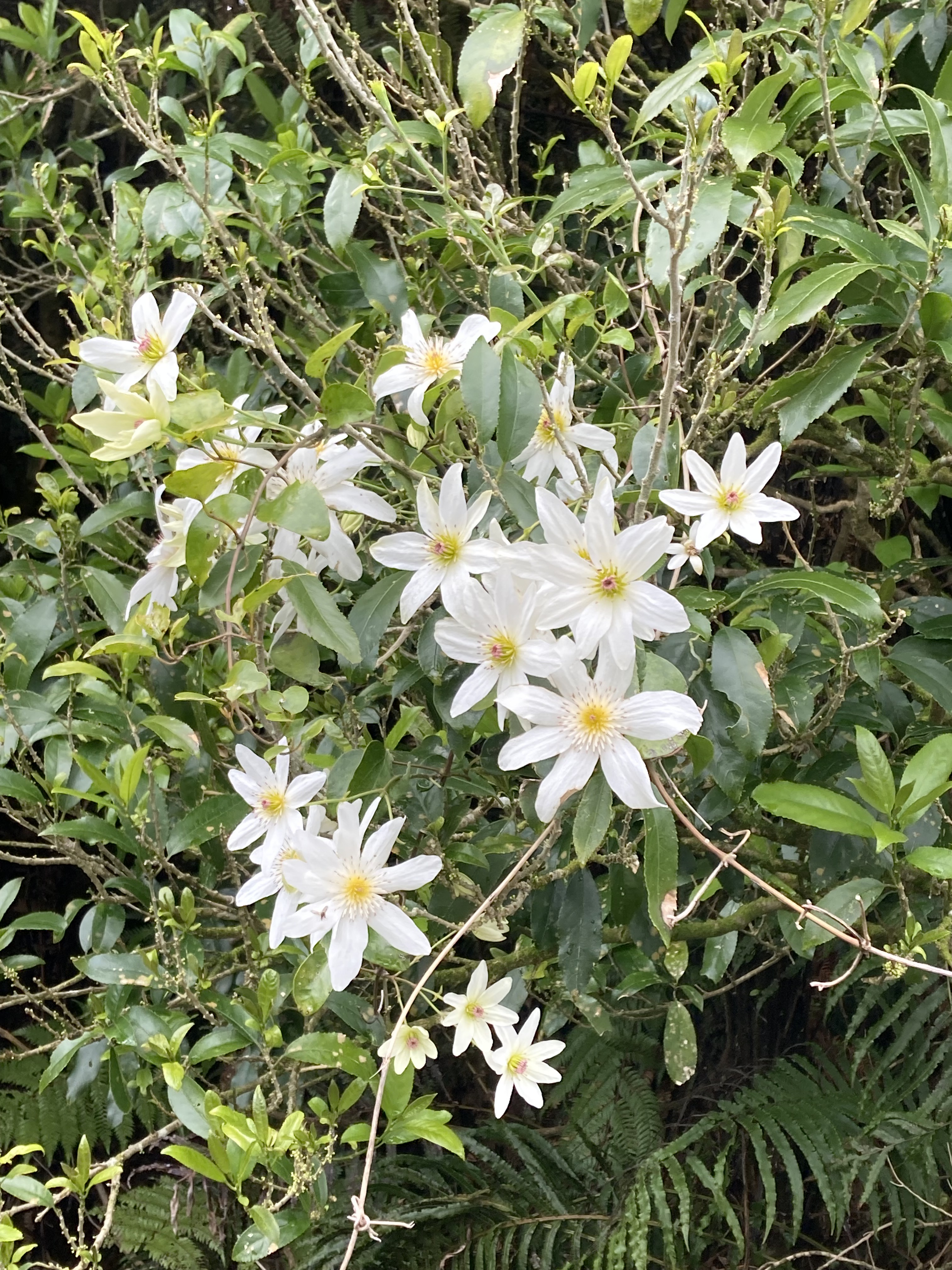
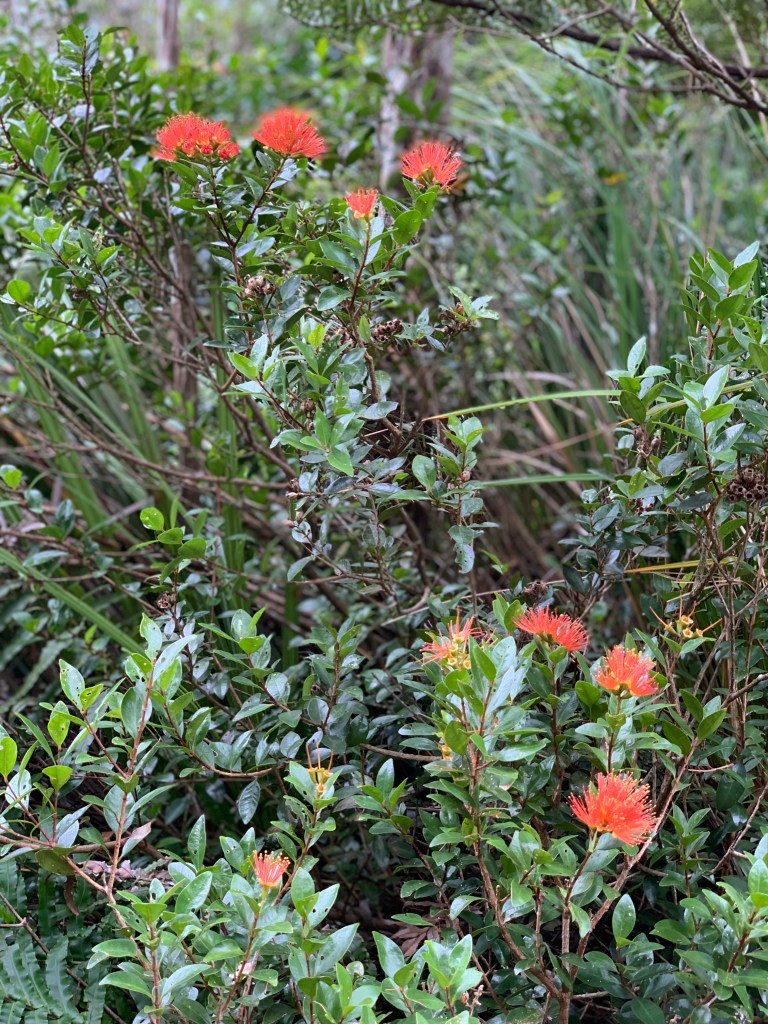
Flowering red rātā vine. Credit: Alison McCulloch.
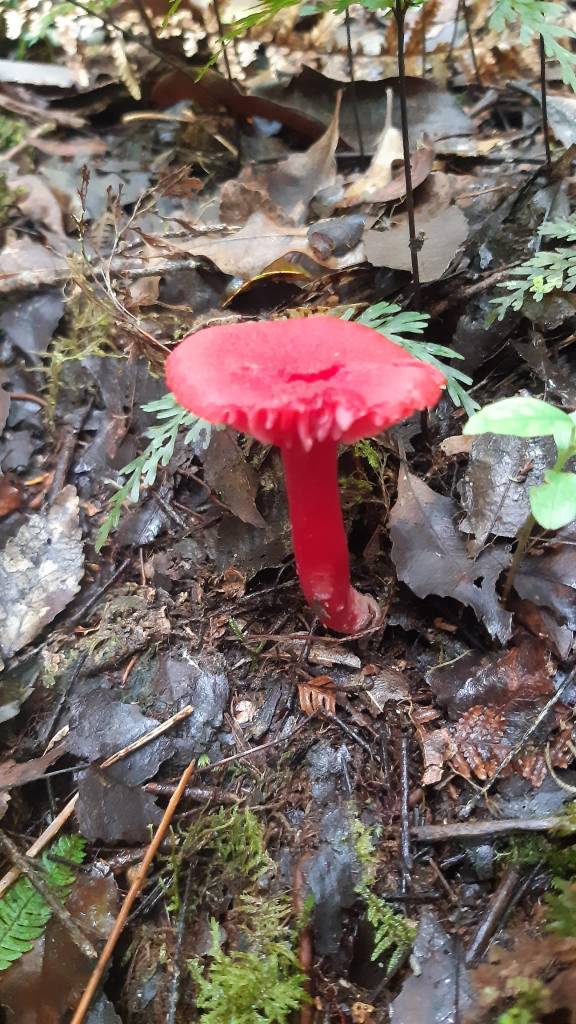
Ruby Bonnet. Credit: Noelene Taylor
Young toutouwai. NI Robin. Credit: Alison McCulloch
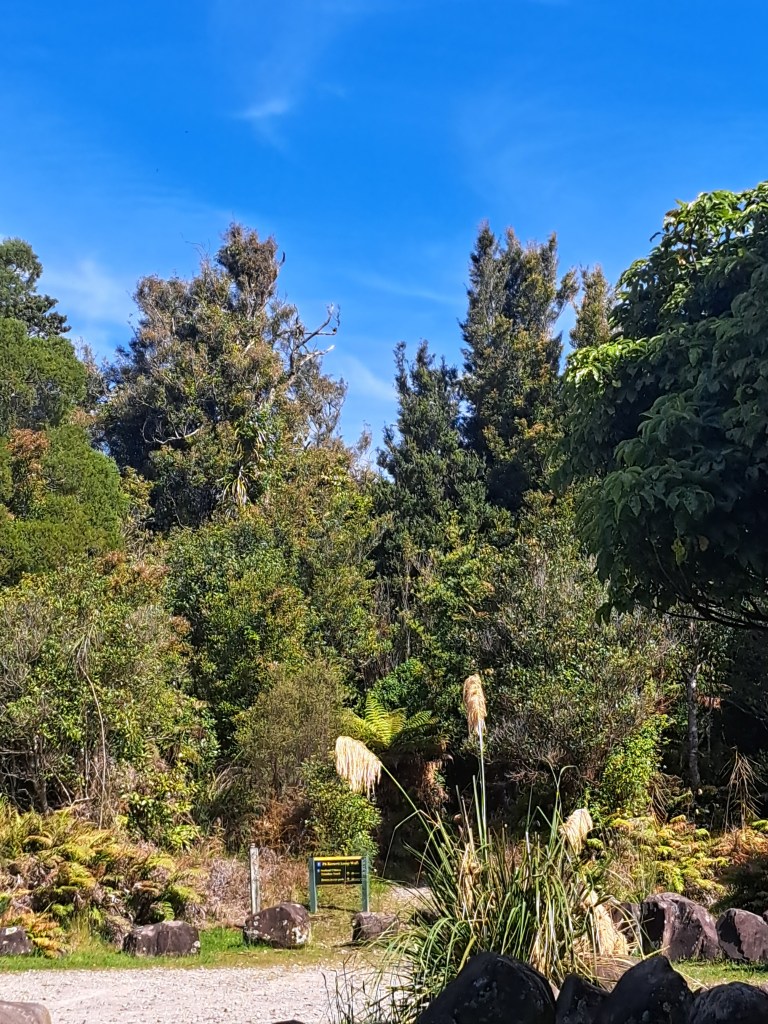
A graceful toetoe frames the gateway to the Pā Kererū loop track. Credit: Ross Petersen
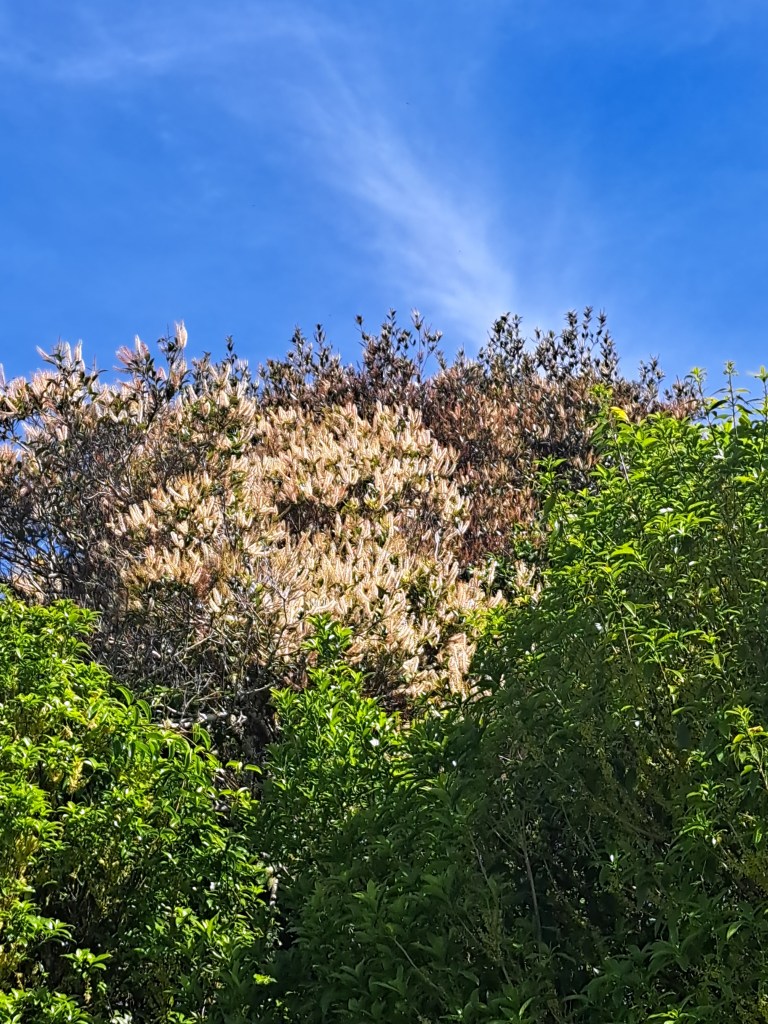
Kamahi in bloom create a fetching white and red floral display. Credit: Ross Petersen
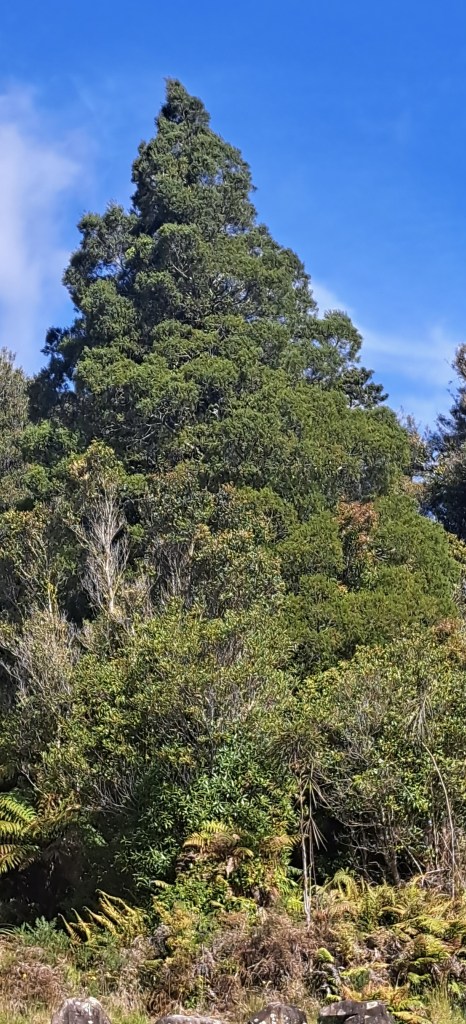
A kahikatea, our tallest tree species, soars like a pyramid into a deep blue sky. Credit: Ross Petersen